Solid timber
Look for the specified species and the components made from it. A solid-wood frame does not automatically mean a solid-wood top.

MATERIAL HONESTY
What is inside a piece matters as much as its silhouette. Read the material of each component, not just the name of the wood.
Look for the specified species and the components made from it. A solid-wood frame does not automatically mean a solid-wood top.
A real-wood surface over a separate core. Ask what that core is and how edges and exposed surfaces are finished.
MDF, plywood and other panels have different specifications. Choose the documented construction for the intended use.
Some Tiama pieces include fabric; others require your own. Check the exact inclusion before comparing prices.
Keep room dimensions, doorways, stair turns and lift access in your brief. A photograph alone cannot confirm fit.
When looking for massive furniture or massive wood furniture in Egypt, the intended material is solid timber. A complete piece may also include natural veneer, blockboard, upholstery, glass or other components. Tiama’s product specifications describe these separately; check the top, frame, panels and finish before ordering.
These examples separate the material of a top, platform, frame or veneer instead of assigning one wood name to the whole piece. They reflect the current product information. Open the product and confirm the specification for your selected size and options before ordering.
The listed top is solid American oak and the base is solid oak. Read these component lines alongside the chosen size, finish and intended setting.
The listed material is natural blockboard and the veneer is natural oak. The oak surface description does not identify the whole unit as solid oak.
The product information lists a solid walnut platform and American walnut headboard. Confirm the selected specification; optional storage needs separate confirmation and pricing.
Natural walnut is specified as the veneer, while natural blockboard is the listed material. Check the actual component specification when comparing it with a solid walnut design.
Teakwood is specified for the countertop, with solid Romanian beech in the structure. Confirm the finish and care for each component separately.
The catalogue description uses “Teak Iroko”. Confirm the actual timber species and component with Tiama; the common-name wording does not establish Tectona grandis.
Read “massive” as solid wood for the component it describes. A massive beech base with a glass top is different from an all-wood table; a solid frame with veneered storage panels is another construction. Ask which parts are solid timber, which have veneer and what supports the veneered surface.
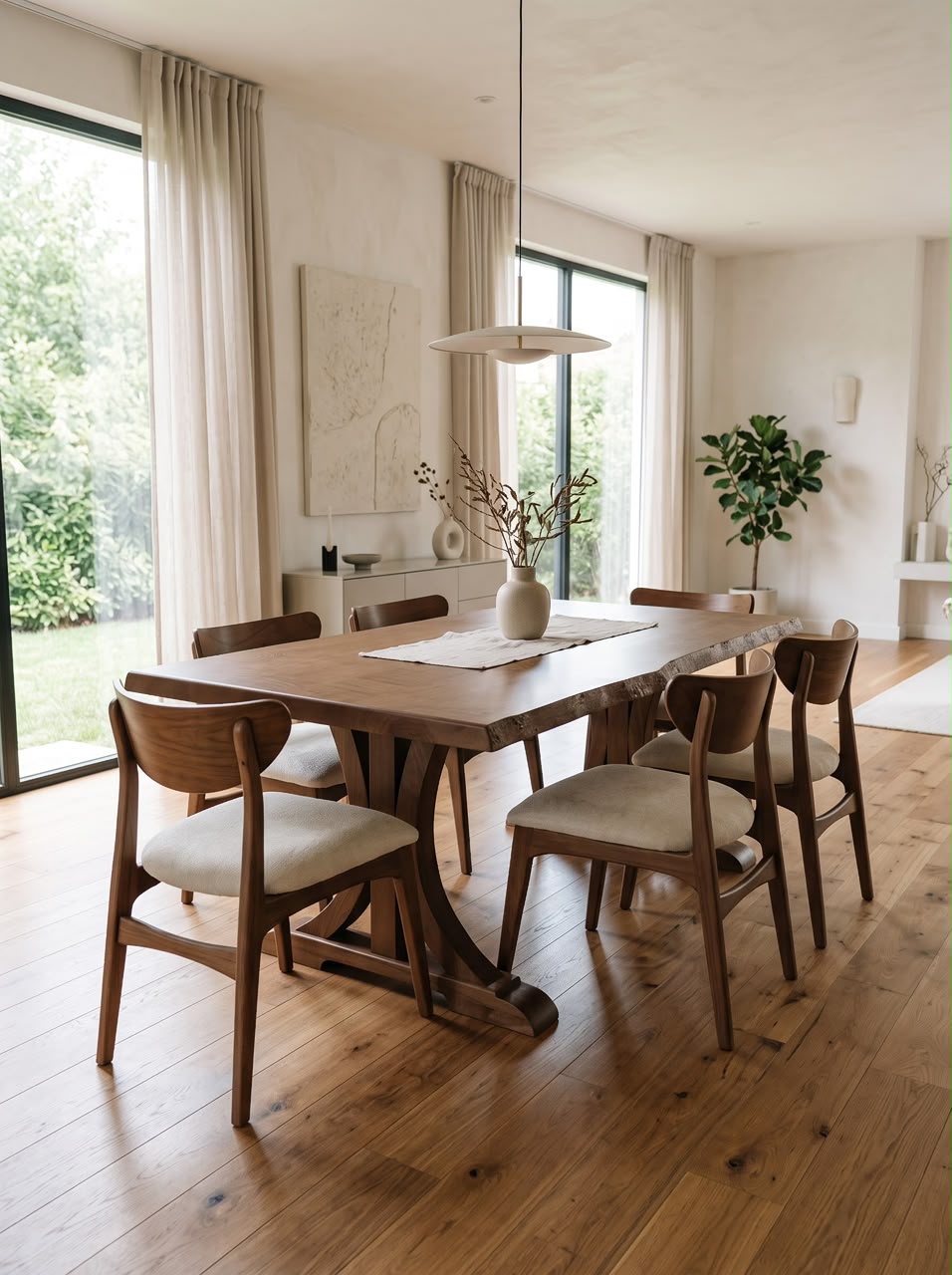 Dining Tables
50,000 EGP – 70,000 EGP
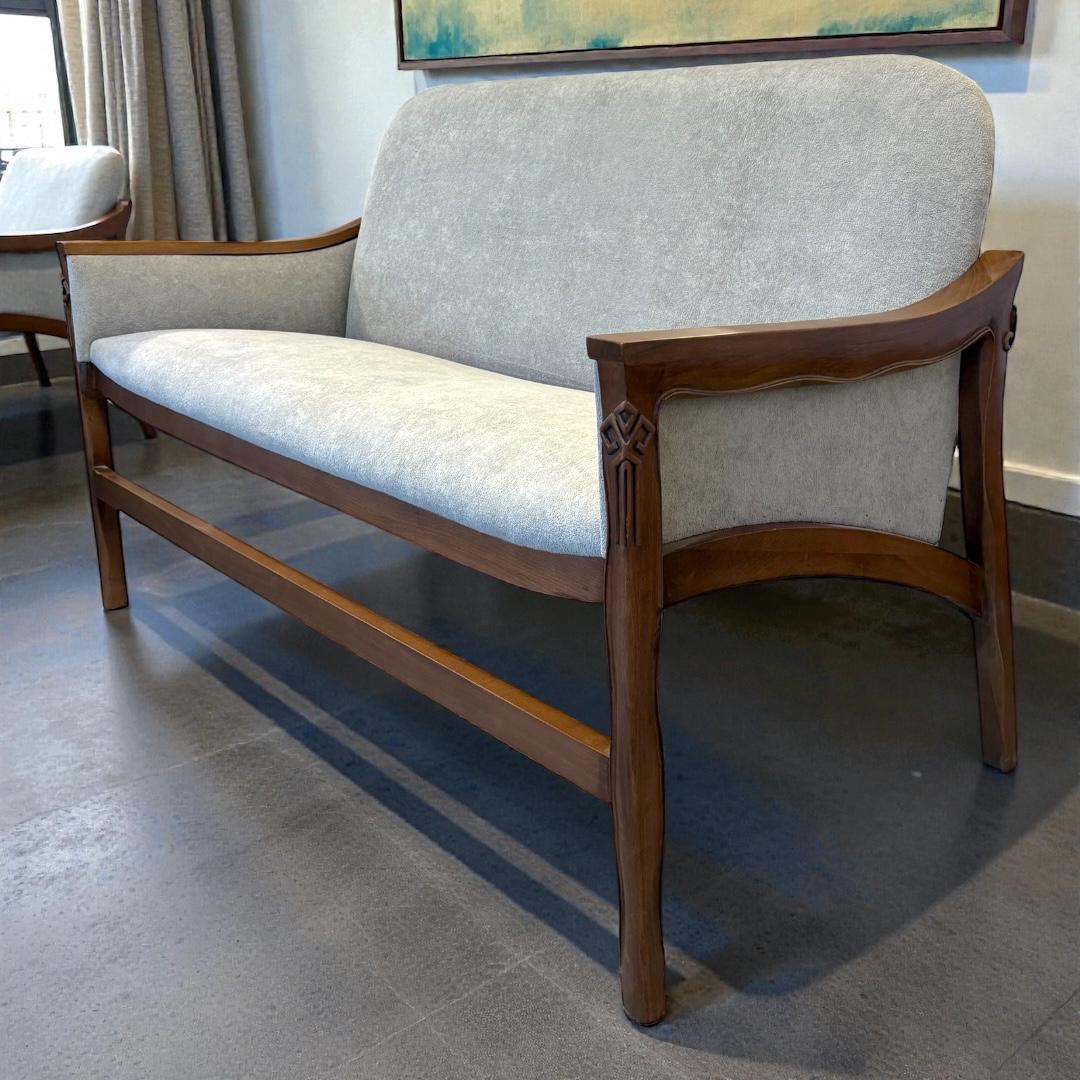 Sofa
38,000 EGP – 50,000 EGP
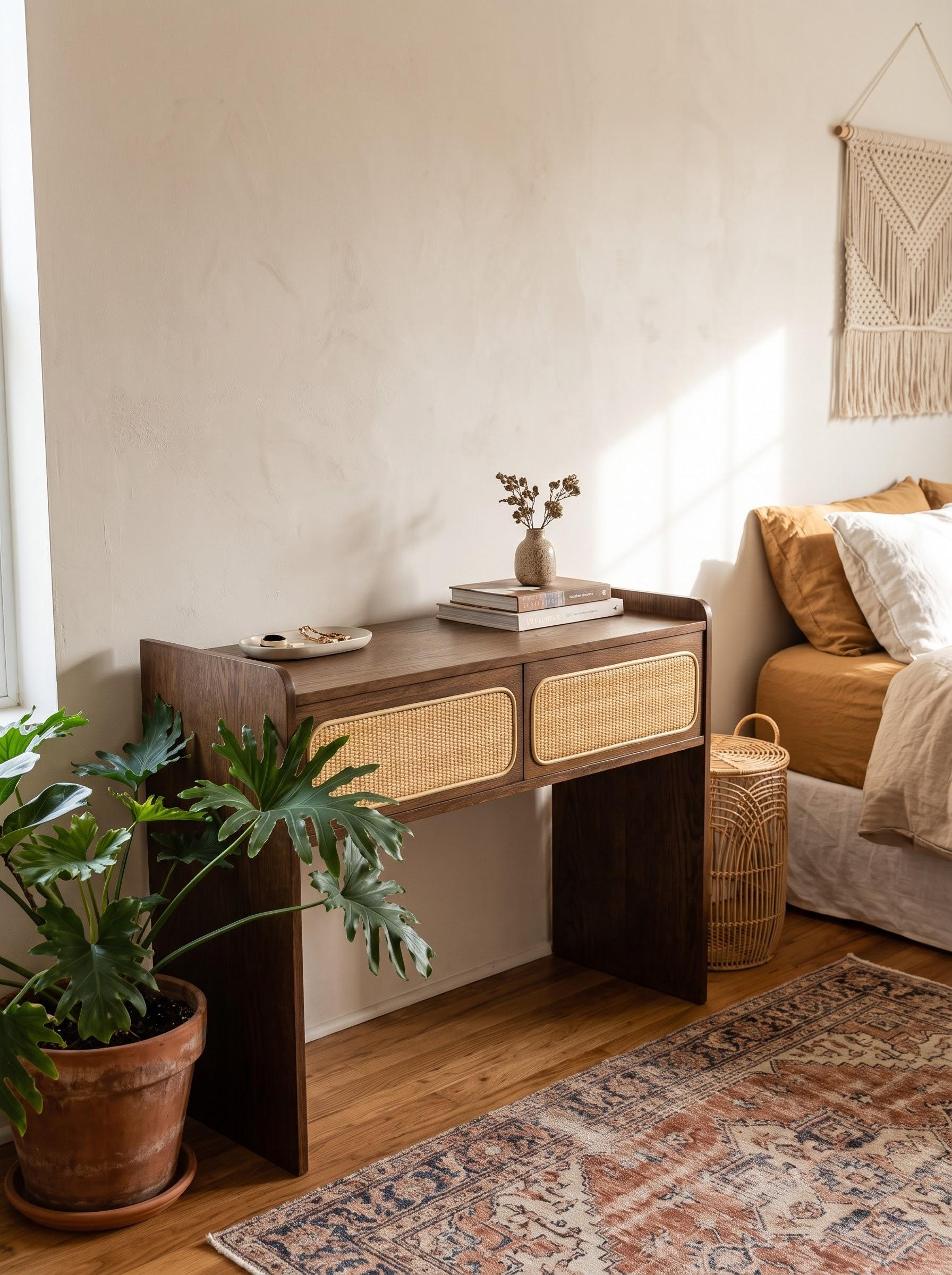 Dresser units
18,000 EGP – 38,000 EGP
Oak appears in Tiama product details as solid timber, veneer or a material option. Compare the specification of the exact piece: an American oak tabletop, an oak frame and oak veneer describe different parts and constructions. Check the selected finish and dimensions rather than identifying a species from colour alone.
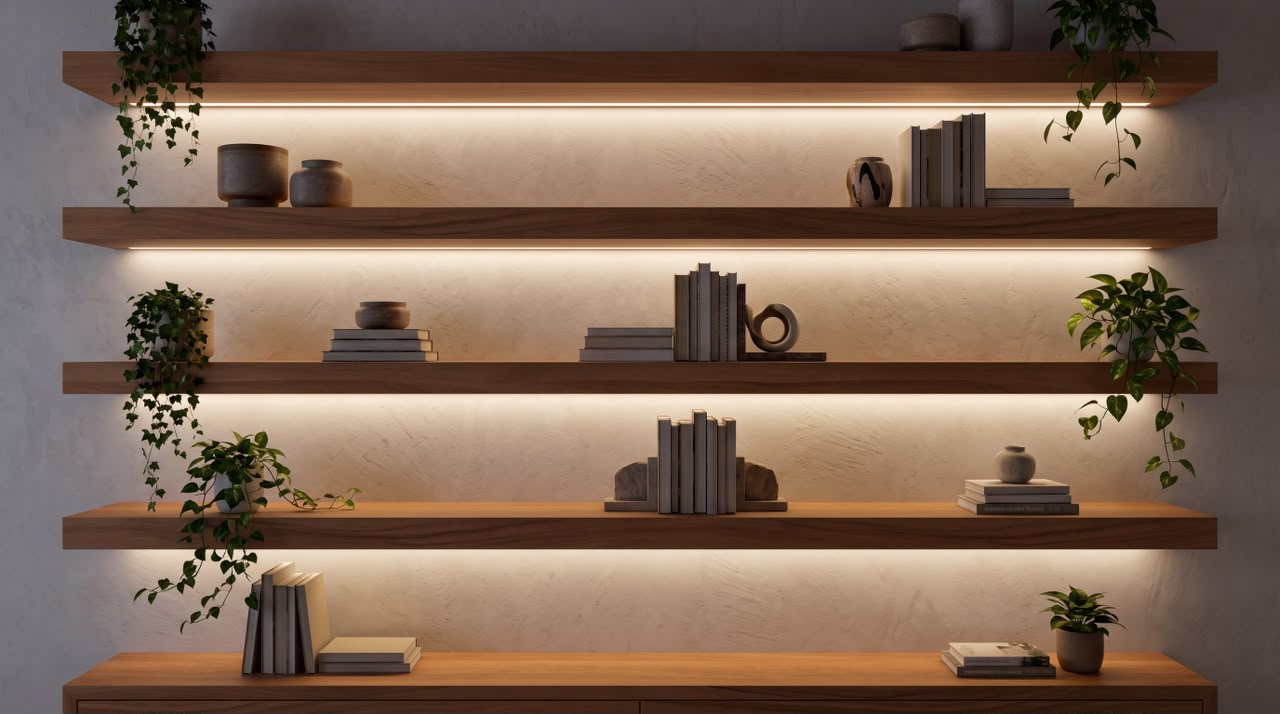 Shelves
1,200 EGP – 9,600 EGP
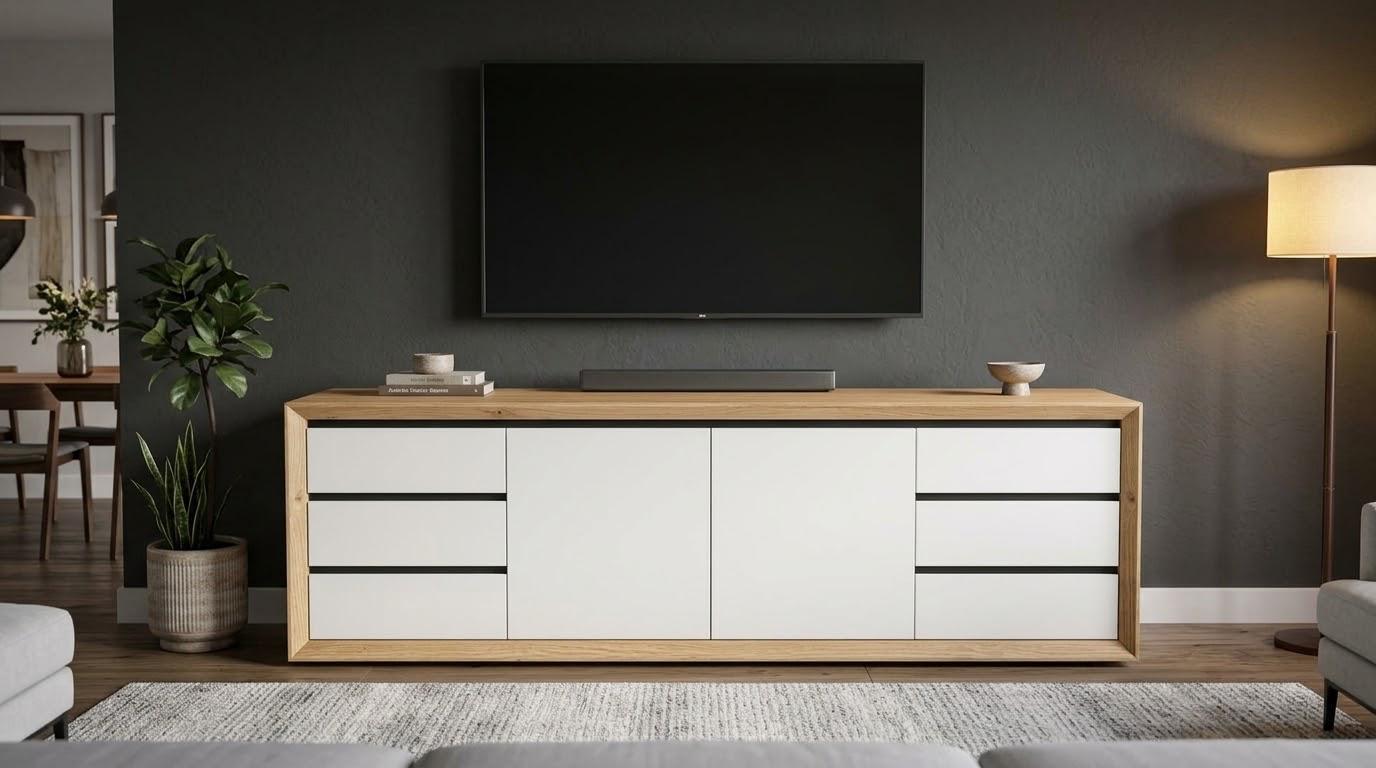 TV units
35,000 EGP – 38,000 EGP
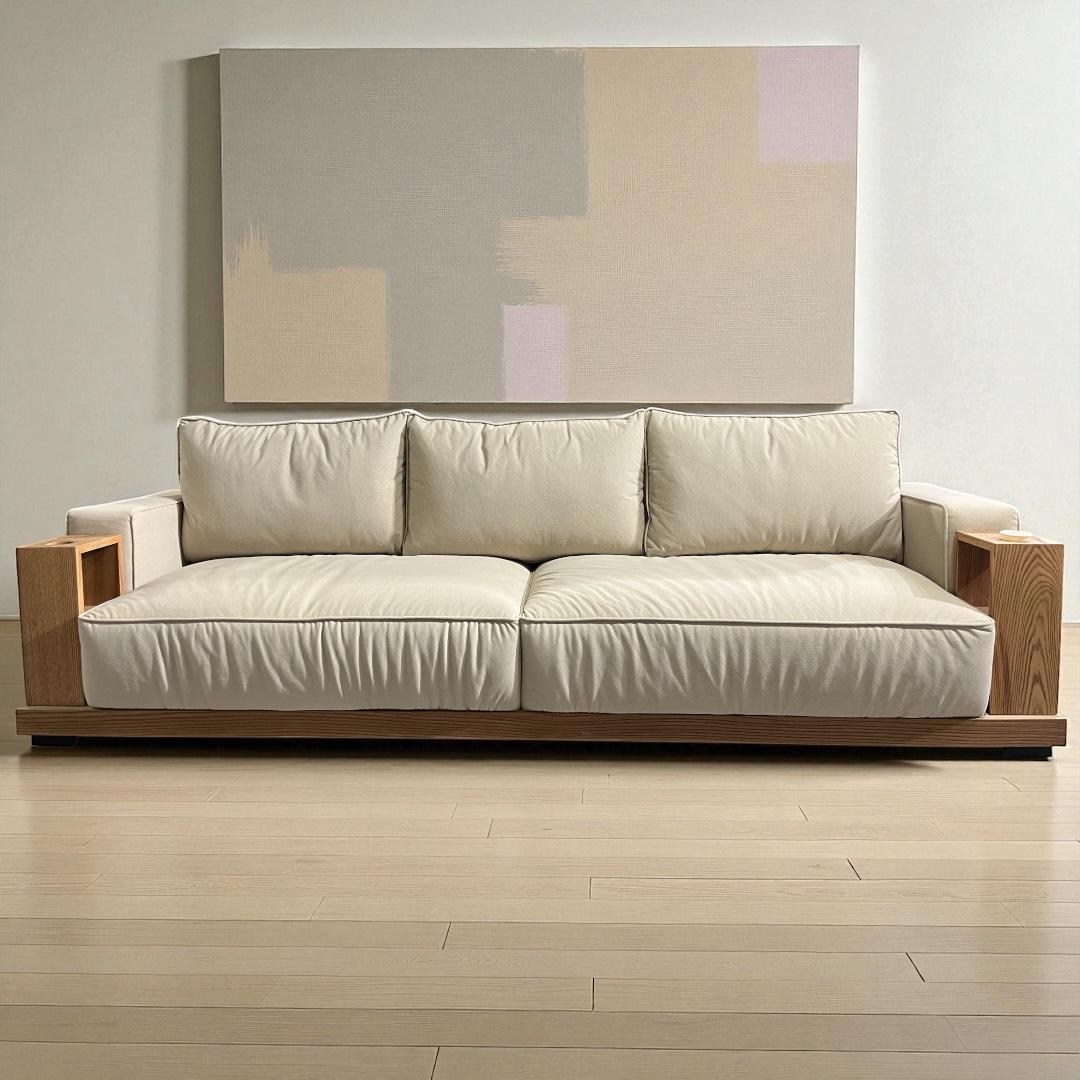 Sofa
43,000 EGP – 58,000 EGP
Walnut is both a timber name and a word used in finish descriptions. A piece with natural walnut veneer is not automatically solid walnut throughout. Tiama’s catalogue includes walnut veneer on storage and other pieces, sometimes over a different structure. Confirm the actual material and chosen option before comparing prices.
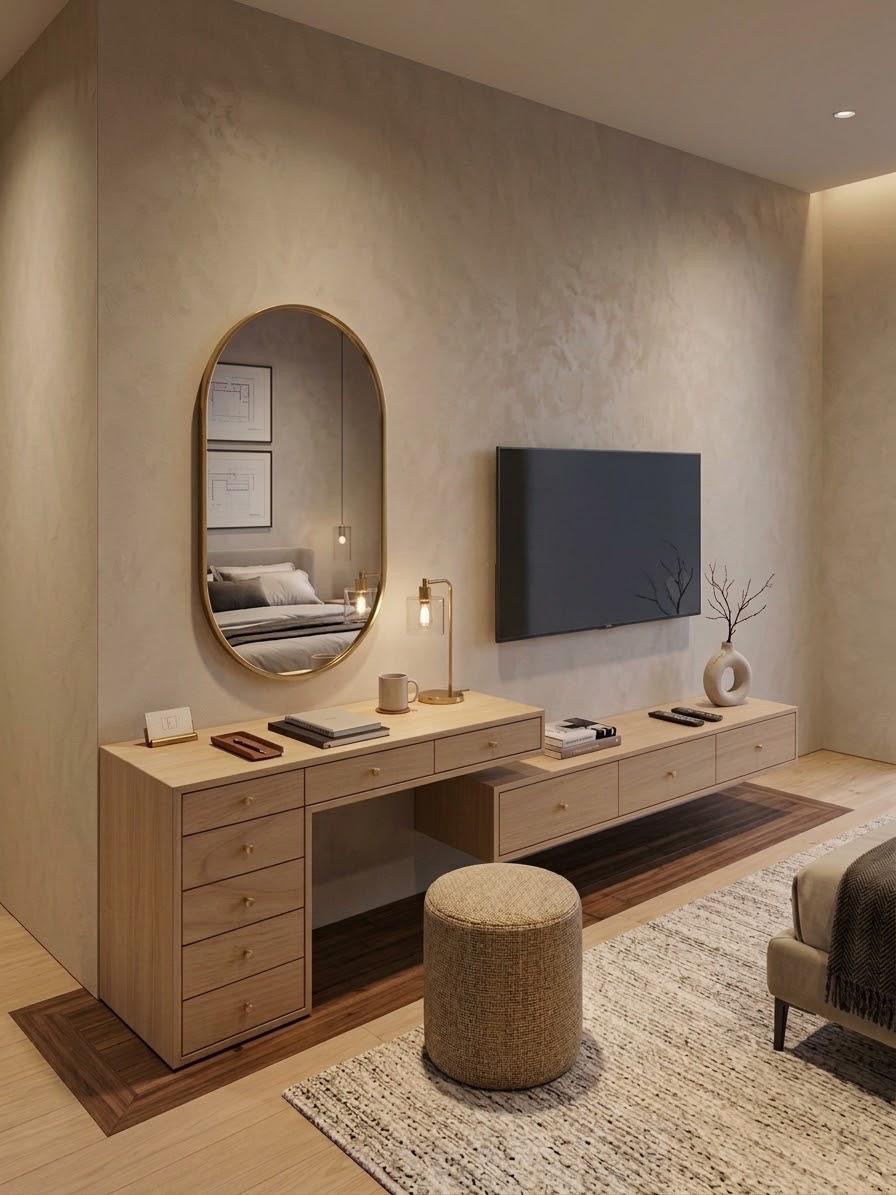 Dresser units
38,000 EGP – 46,000 EGP
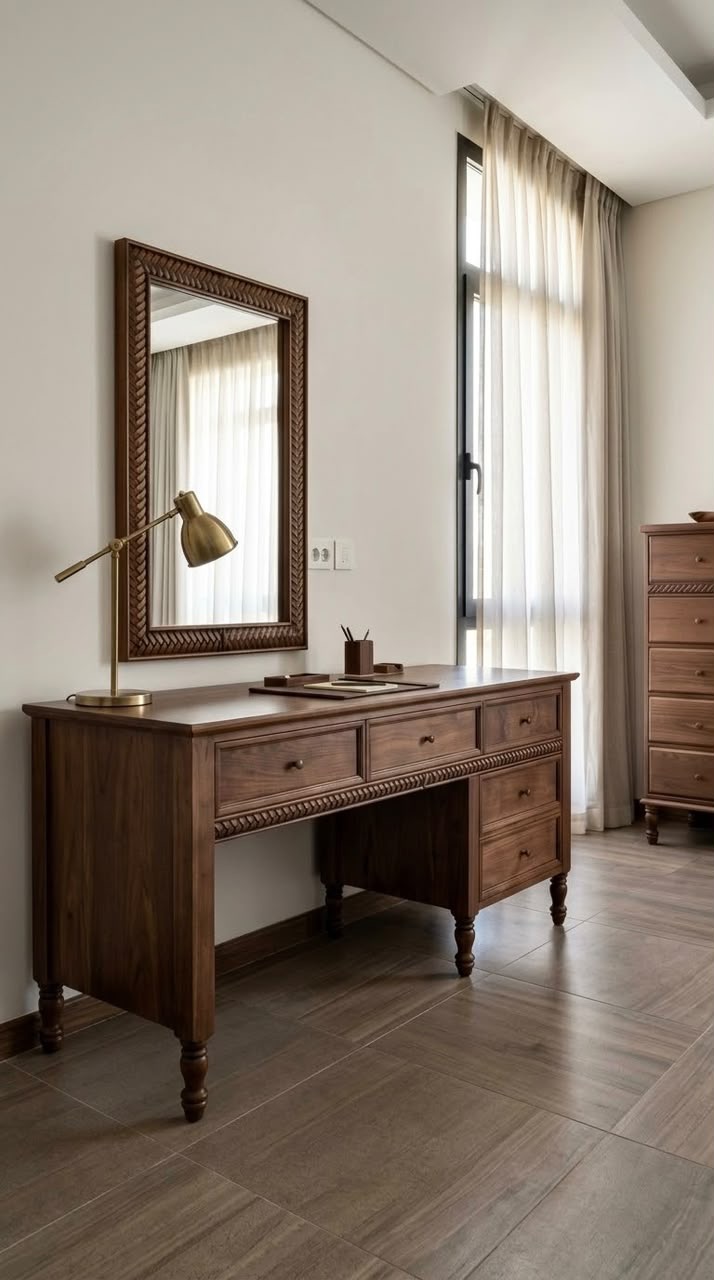 Dresser units
40,000 EGP – 55,000 EGP
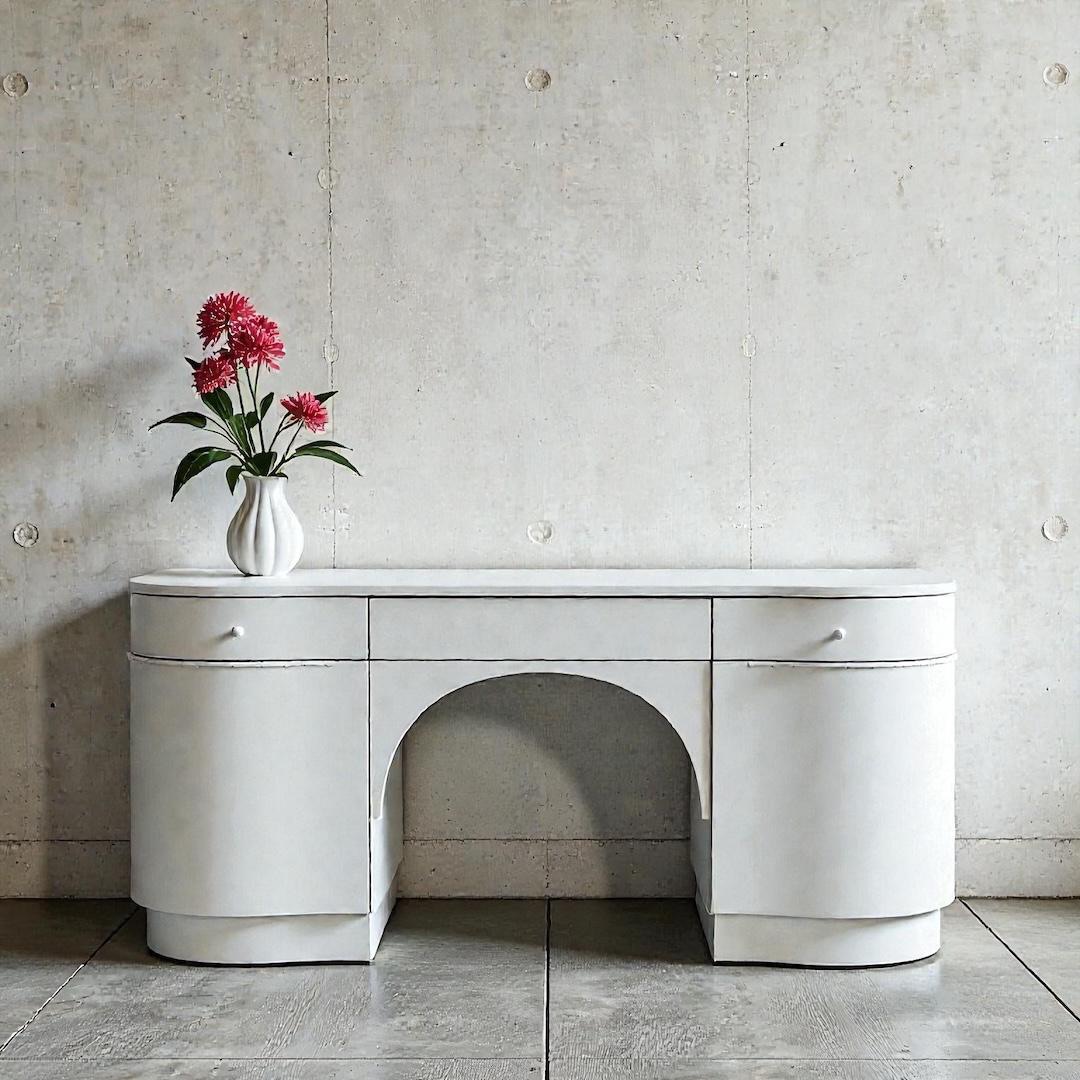 Dresser units
38,000 EGP – 47,000 EGP
Teak, Tectona grandis, and Iroko, including Milicia excelsa, are different trees. Iroko is also known by the common name African teak. Tiama has catalogue entries named “Teak Iroko”; that wording alone should not be used to identify them as Tectona grandis. Ask Tiama to confirm the timber species, the component and its finish for your chosen piece.
Species references: Kew · Tectona grandis · Kew · Milicia excelsa
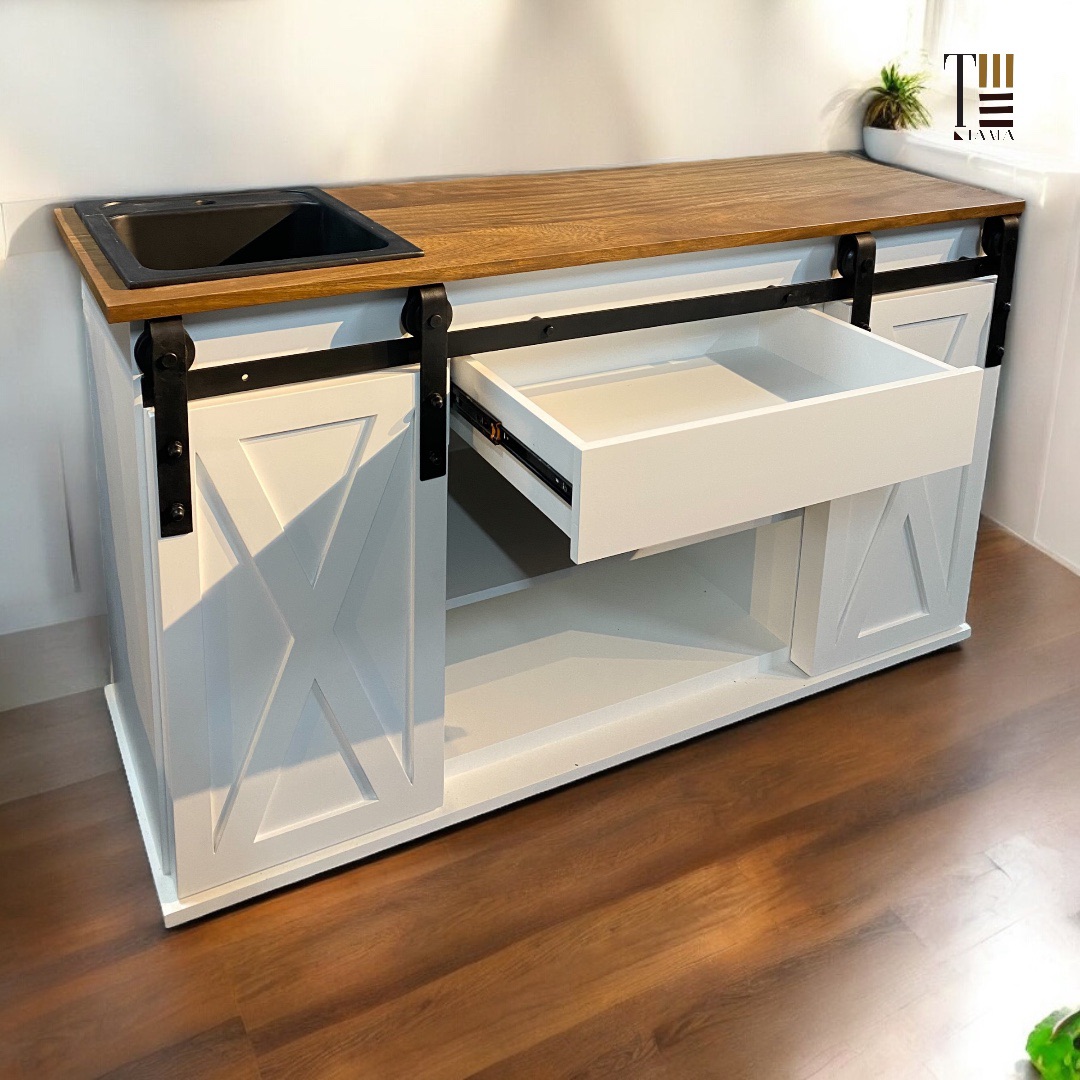 Coffee corners
38,000 EGP – 45,000 EGP
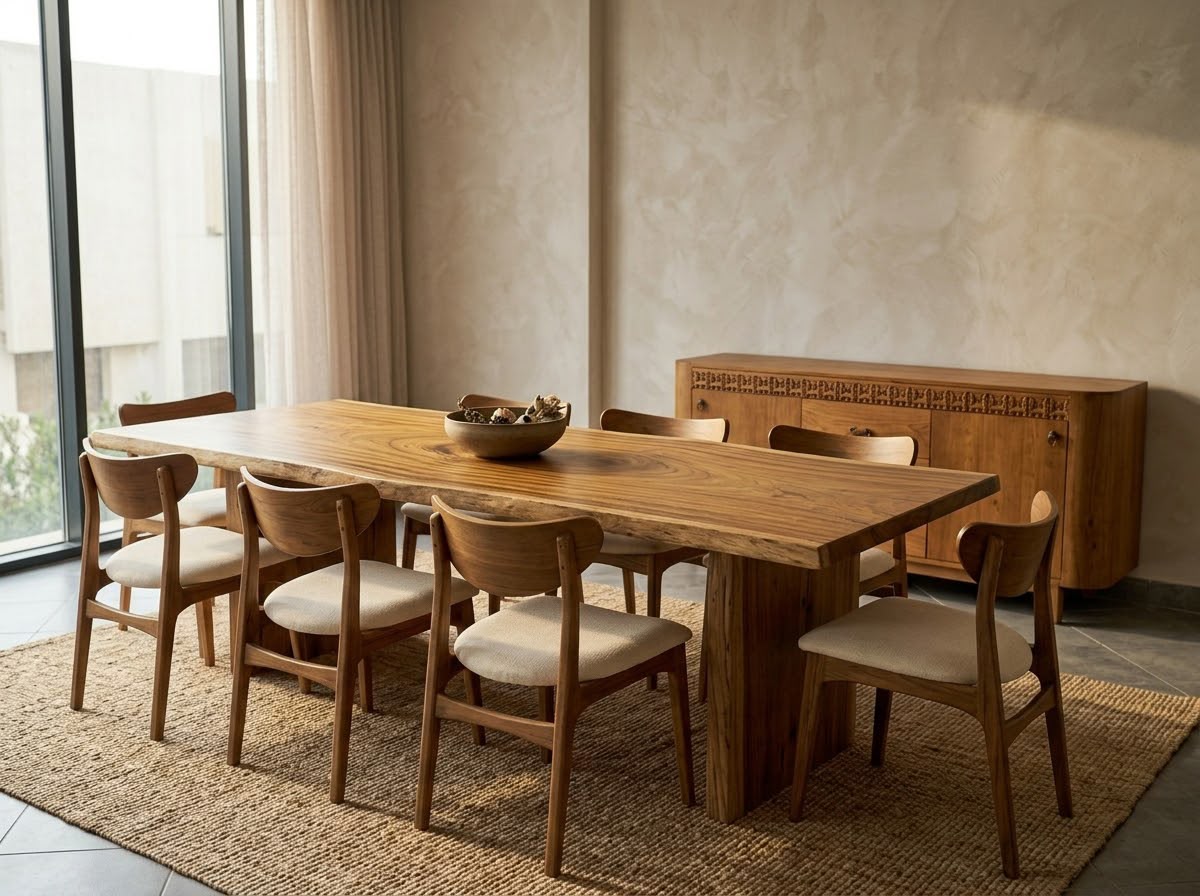 Dining Tables
75,000 EGP – 120,000 EGP
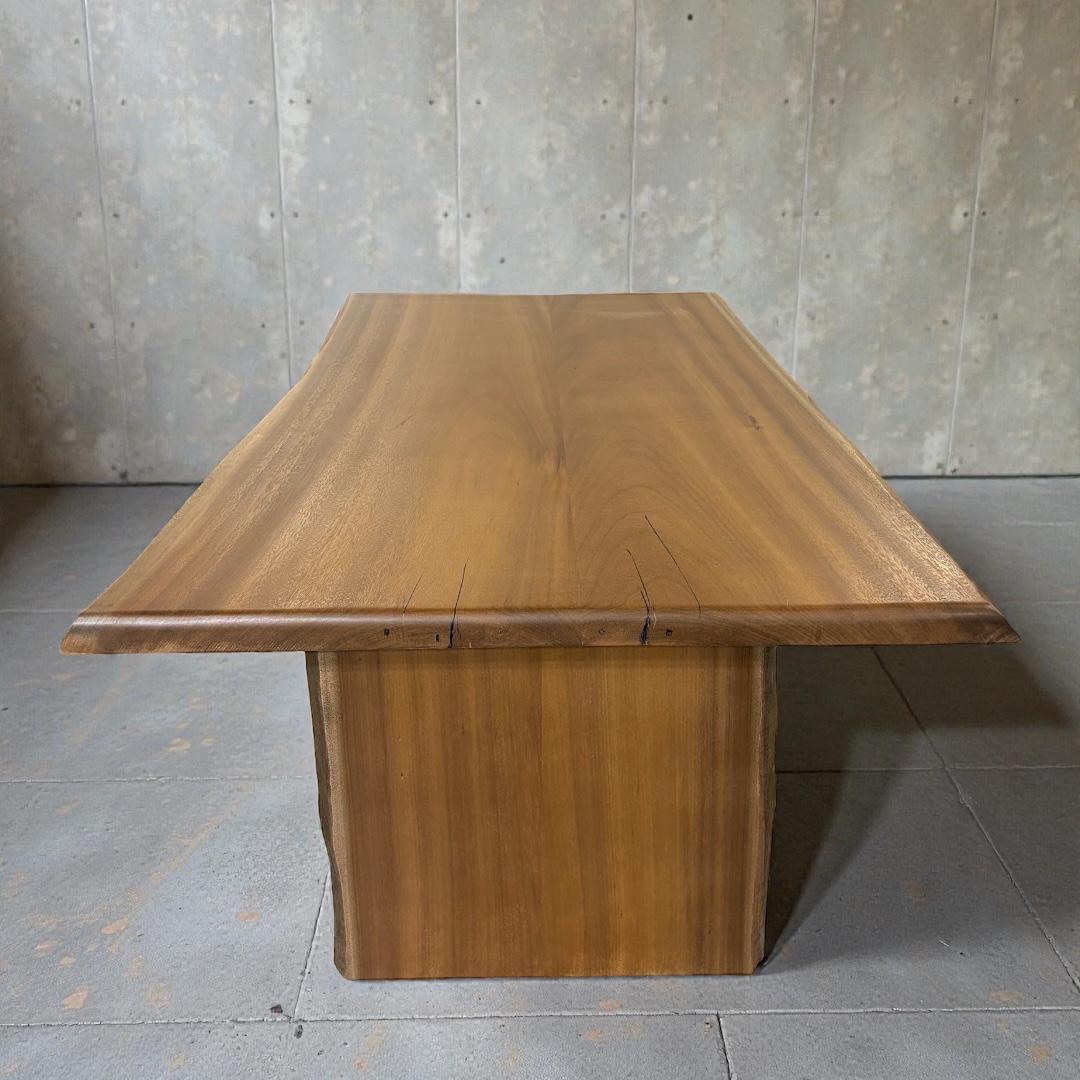 Dining Tables
75,000 EGP – 120,000 EGP